A mobile game called Mining Empire is offering players the chance to earn actual Bitcoin as they play — a proposition that sounds appealing on paper but carries a set of practical limitations worth understanding before downloading.
The game follows a familiar idle-game structure. Players build and expand a virtual mining operation, tapping and upgrading equipment to generate in-game currency. What separates it from hundreds of similar titles is a built-in reward mechanism that converts in-game progress into small amounts of real Bitcoin, which can then be withdrawn to a wallet.
The amounts involved are modest. Users accumulate satoshis — the smallest unit of Bitcoin, equal to one hundred-millionth of a coin — through gameplay, and the pace of accumulation is slow by design. Reaching withdrawal thresholds takes considerable time, and the actual dollar value of earnings for most casual players amounts to cents rather than dollars. At current prices, with Bitcoin trading around $68,000, even a few satoshis carry meaningful nominal value, but the quantity a typical player can realistically earn through gameplay is small enough that it would take sustained, regular play over weeks or months to accumulate anything significant.
The game’s monetization model is layered. Players can speed up progress by watching advertisements or making in-app purchases, which is where the revenue that funds Bitcoin rewards ultimately comes from. This is a common structure in the “play-to-earn” space: the rewards are real, but they are subsidized by ad revenue, and the game’s economics depend on enough players engaging with that advertising ecosystem to keep the reward pool funded.
There are legitimate questions about sustainability. Play-to-earn games have a mixed track record. Some have paid out consistently for years; others have quietly reduced reward rates or shut down entirely. Mining Empire is not a new concept — several comparable apps have operated in this space, with varying degrees of reliability. The key variable for any prospective player is whether the time invested translates into rewards that feel proportionate, even if the absolute amounts are small.
For Bitcoin enthusiasts, the appeal is partly philosophical. Accumulating even fractional amounts of Bitcoin through gameplay rather than purchasing it directly carries a certain novelty. For others, the calculation is simpler: is the game actually fun enough to play regardless of the rewards? If the answer is yes, any Bitcoin earned is a bonus. If the only motivation is the crypto payout, the math rarely works out in the player’s favor.
More Read

The game does not require any upfront investment or cryptocurrency knowledge to start, which lowers the barrier to entry considerably. Withdrawals require a Bitcoin wallet address, and minimum withdrawal amounts apply — meaning players who stop before hitting the threshold walk away with nothing.
Whether it is worth the time depends almost entirely on individual expectations. As a way to passively accumulate trace amounts of Bitcoin while playing a game you would play anyway, it functions reasonably well. As a meaningful income stream or investment strategy, it does not clear that bar.
Disclaimer: The information provided in this article is for educational and informational purposes only and does not constitute financial or investment advice.
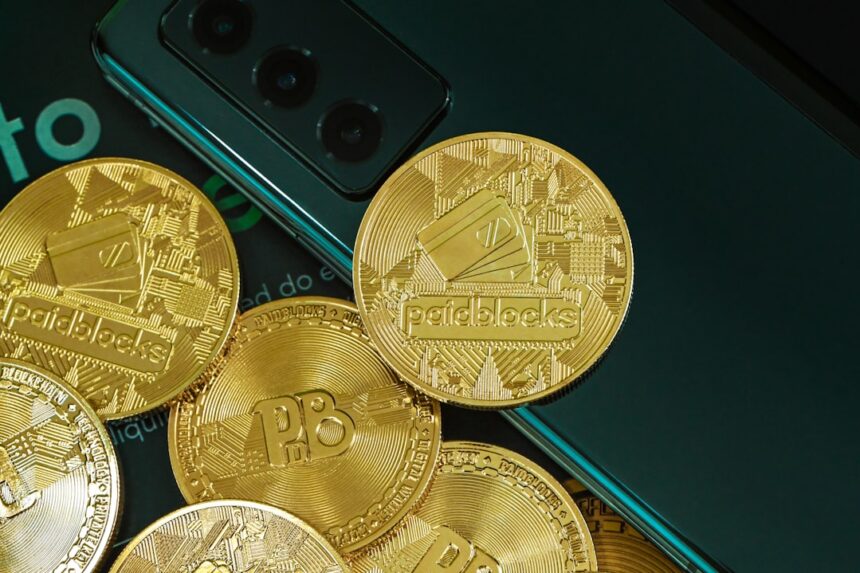
Photo by Paid Blocks on Unsplash
This article is a curated summary based on third-party sources. Source: Read the original article