US residential electricity rates rose 5 percent in 2025 compared to the prior year, according to data released February 24 by the Energy Information Administration. Several states, particularly in the Northeast and Midwest, recorded double-digit increases, compounding frustration after years of relatively flat rates.
The average monthly household electricity bill reached $151.89 last year, a 7 percent increase from the prior year. That figure accounts for both the rate per kilowatt-hour and the growth in consumption, making it a more complete measure of what families are actually paying.
Why Bills Are Rising
The causes differ by state and utility, but several factors recur across the country. Utilities have sharply increased spending on wires, substations, and other delivery infrastructure, driven partly by rising power demand from data centers. Natural gas prices have pushed costs higher in states like Pennsylvania that rely heavily on gas-fired generation. State mandates requiring utilities to purchase renewable energy have had a visible effect in the Northeast and Mid-Atlantic, while barely registering elsewhere. Local events, including California wildfires and Florida hurricanes, have added further pressure in specific markets.
Data centers absorb a disproportionate share of public blame, but the structural incentives built into utility regulation deserve equal attention. Charles Hua, founder and executive director of PowerLines, an advocacy group focused on reducing utility bills, points to how utilities earn profit. Under the current model, companies make money by investing in physical infrastructure: power plants, poles, transformers. For years, flat electricity demand kept that spending in check.
“Now demand is growing,” Hua said. “So that’s a perfect excuse or opportunity for utilities to go to the regulators and say, ‘Hey, we need cost recovery and a return on equity on these new generation capex investments.'” He argues the incentive structure may push utilities toward building new infrastructure rather than improving the efficiency of what already exists, with consumers absorbing the cost.
Industry Response
The electricity industry has pushed back on some of the framing. The Edison Electric Institute, a trade group representing investor-owned utilities, said in a report last month that price increases in most states are broadly in line with inflation. It argued the national average is skewed upward by a handful of states with the steepest hikes.

AEP Ohio, a Columbus-based utility facing protests over a proposed rate plan, said many cost drivers fall outside its control, including the fees associated with participating in the multi-state PJM Interconnection grid. “We know our customers are frustrated by the high cost of energy. We are frustrated, too,” a company spokesperson said.
On the Ground in Ohio
In January, protesters stood in the snow outside the offices of Ohio’s utility regulator, demanding that officials reject AEP Ohio’s proposed rate increases. The scene reflects a broader shift in public attention toward an issue that, until recently, few consumers tracked closely.
Steve Van Kuiken, a United Church of Christ pastor in Columbus involved in a community group opposing the rate hikes, put it plainly: “It’s just getting harder and harder now to live. The working class is really getting squeezed, and everything’s going up.”
That sentiment now has data behind it. Higher rates, combined with growing consumption, mean the financial squeeze on households is larger than rate figures alone suggest.
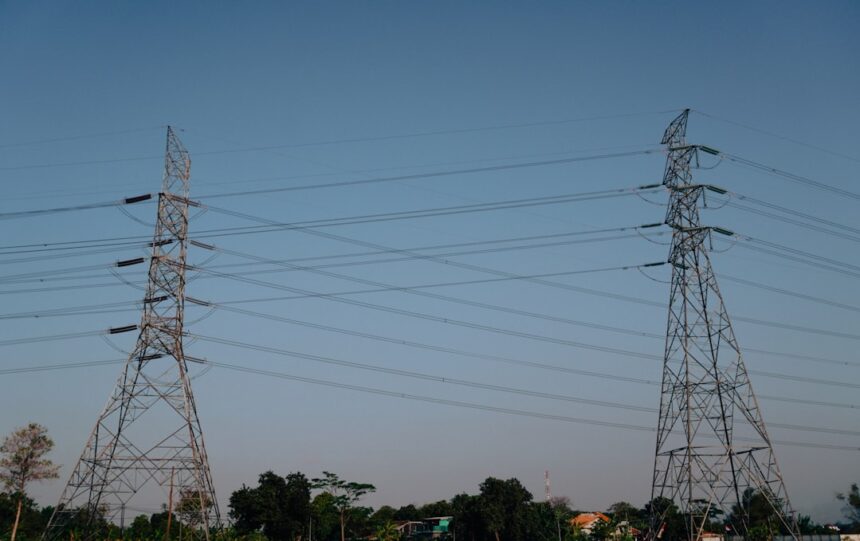
Photo by REVTLProjects on Unsplash
This article is a curated summary based on third-party sources. Source: Read the original article