Anthropic will challenge the Pentagon’s decision to label it a supply chain risk in federal court, CEO Dario Amodei announced Thursday, calling the designation “legally unsound.” The move comes hours after the Defense Department officially issued the label, which can bar a company from working with the Pentagon and its contractors.
The dispute centers on a fundamental disagreement over access. Anthropic drew firm limits on how its AI could be used, specifically opposing mass surveillance of Americans and fully autonomous weapons. The Pentagon wanted unrestricted access for “all lawful purposes.” Neither side moved, and the designation followed.
What the Designation Actually Covers
Amodei was careful to frame the ruling as narrower than it might appear. He said the designation “plainly applies only to the use of Claude by customers as a direct part of contracts with the Department of War, not all use of Claude by customers who have such contracts.” The vast majority of Anthropic’s customers, he argued, are unaffected.
That framing previews the likely legal argument. Amodei cited statutory language requiring the Secretary of Defense to use the “least restrictive means necessary” to protect the supply chain, positioning Anthropic as a restrained actor working within the law’s intent rather than a company defying national security interests.
“Even for Department of War contractors, the supply chain risk designation doesn’t — and can’t — limit uses of Claude or business relationships with Anthropic if those are unrelated to their specific Department of War contracts,” Amodei said.
The Memo That May Have Derailed Negotiations
The breakdown in talks appears linked to the leak of an internal memo Amodei sent to staff, in which he characterized rival OpenAI‘s dealings with the Defense Department as “safety theater.” The memo circulated publicly and seems to have poisoned what Amodei described as “productive conversations” with the Department in the preceding days.

Amodei apologized for the leak on Thursday, insisting the company did not intentionally share the document or direct others to do so. He said the memo was written within “a few hours” of a cascade of announcements: a presidential Truth Social post announcing Anthropic’s removal from federal systems, Defense Secretary Hegseth’s supply chain designation, and the Pentagon’s subsequent deal announcement with OpenAI.
“It is not in our interest to escalate the situation,” he said, adding that the memo didn’t reflect his “careful or considered views” and calling it “an out-of-date assessment” written six days prior.
OpenAI Steps In
OpenAI has since signed a deal with the Defense Department to fill Anthropic’s place, a move that has generated internal backlash among OpenAI staff. The speed of that arrangement suggests the Pentagon had contingency plans in place before the public dispute fully surfaced.
Despite the legal challenge, Anthropic said it would continue providing its models to the Defense Department at “nominal cost” for as long as necessary to support a transition. Amodei noted that Anthropic is currently supporting some U.S. operations in Iran and called maintaining access for American soldiers and national security personnel the company’s top priority.
A Hard Legal Road
Winning in court will not be straightforward. The law underpinning the supply chain risk designation limits the standard avenues companies use to contest government procurement decisions and grants the Pentagon broad discretion on national security grounds. Federal courts have historically deferred to the executive branch on such matters, leaving Anthropic’s legal strategy with a narrow path to a favorable outcome.
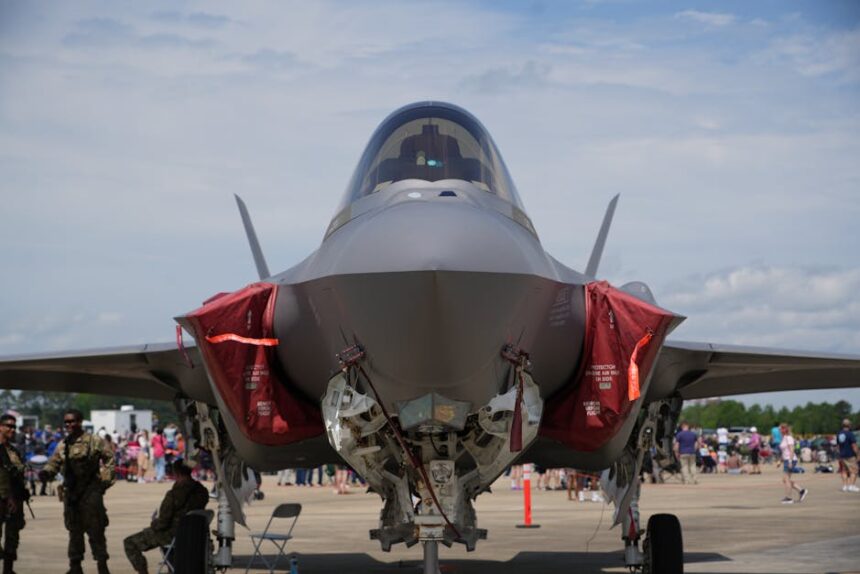
Photo by Jaxon Matthew Willis on Pexels
This article is a curated summary based on third-party sources. Source: Read the original article