Treatments for Dravet syndrome have long managed symptoms without touching the disease’s genetic root — leaving children with persistent developmental delays and a roughly 50% lifetime risk of sudden, premature death.
A clinical trial published in The New England Journal of Medicine on March 4 reports that a drug called zorevunersen safely reduced seizures in children with Dravet syndrome by up to 90% while also improving neurodevelopment and quality of life. The trial enrolled 81 children between the ages of 2 and 18 at hospitals in the United Kingdom and the United States.
The study was primarily designed to assess safety and identify the optimal dose — not to establish efficacy. That distinction matters. The results cannot yet confirm whether the effects will hold in a larger, controlled trial.
Still, the findings carry weight. According to the report, this is among the first attempts to target the underlying biology of a complex early-onset epilepsy rather than simply suppressing symptoms. Dr. Helen Cross, professor of childhood epilepsy at the Institute of Child Health at University College London and a pediatric neurologist at Great Ormond Street Hospital, led the study. “It’s one of the first disease-modifying trials for early-onset complex epilepsy such as Dravet syndrome,” she said.
What the Drug Actually Does
Dravet syndrome is caused by a fault in the SCN1A gene, which controls sodium channels essential for interneuron signaling. Most people carry two functional copies. In many Dravet patients, a genetic change disables one copy — and interneurons, the cells that relay messages through the central nervous system, cannot function properly as a result.
Zorevunersen is an antisense oligonucleotide. It works by boosting the messenger RNA produced by the remaining, working copy of SCN1A, effectively compensating for the damaged one. Existing anti-epileptic drugs and implants can reduce seizure frequency to a degree, but none address the developmental delays that accompany the condition. This drug, the study suggests, may do both.

“We saw improvements in all those domains, particularly at the higher doses,” Cross told the source publication.
How It Is Administered
Because zorevunersen must reach the brain directly, it is delivered via lumbar puncture — a spinal injection that places the drug into the cerebrospinal fluid surrounding the brain. Each dose requires a clinic visit, but the study found that effects persist for several months between administrations.
Beyond seizures, Dravet syndrome carries a broad symptomatic burden: developmental delays, coordination problems, and behavioral difficulties. Around half of all patients die suddenly and prematurely from the disease. No currently approved treatment has shown the ability to alter that trajectory.
The next step, according to the announcement, is a larger trial designed to formally test the drug’s efficacy.
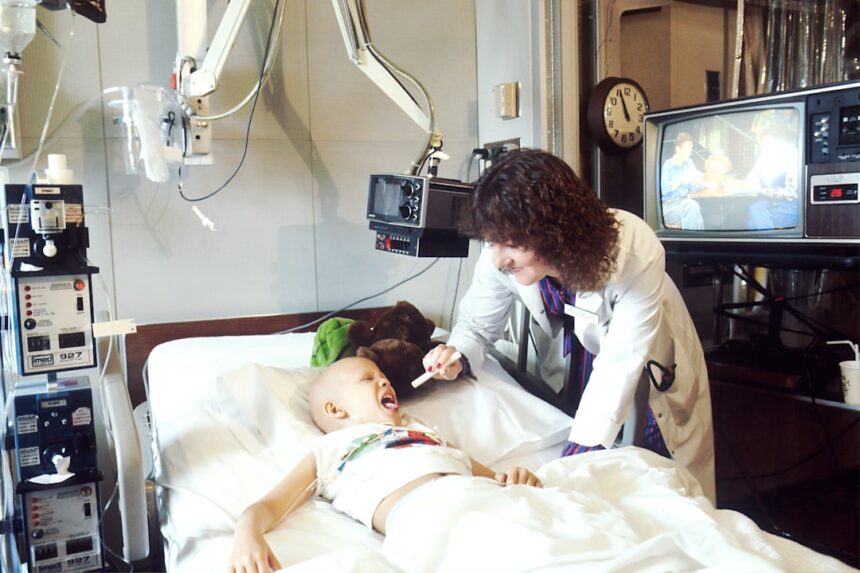
Photo by National Cancer Institute on Unsplash
This article is a curated summary based on third-party sources. Source: Read the original article