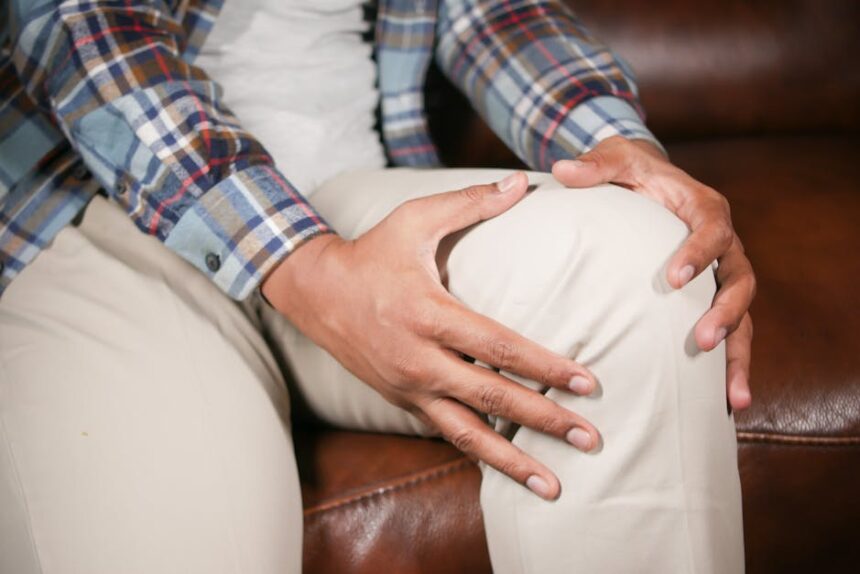
About 40 percent of osteoarthritis patients are referred to a surgeon before non-surgical options have been properly explored. That single figure, drawn from studies across Ireland, the UK, Norway, and the United States, sits at the center of a significant failure in how medicine manages the world’s most common joint disease.
Osteoarthritis already affects more than 595 million people globally. A major analysis published in The Lancet estimates that figure could approach one billion by 2050, driven by longer lifespans, more sedentary habits, and rising rates of obesity. The scale is not the problem. The problem is what happens — and what doesn’t happen — after diagnosis.
According to the report, fewer than half of people diagnosed with the condition are referred to exercise programs or physical therapy by their primary care provider. More than 60 percent receive treatments that clinical guidelines explicitly do not recommend. Patients are being moved toward the operating room, or handed prescriptions, before the most effective available therapy has been tried. That therapy costs nothing to describe: movement.
Why Cartilage Needs You to Walk
The biology explains why exercise works at a level beyond symptom management. Cartilage — the smooth tissue cushioning the ends of bones — has no blood supply of its own. It depends entirely on mechanical compression to receive nutrients. When a joint bears weight, cartilage is gently compressed, pushing fluid out. When pressure releases, fluid draws back in, carrying nutrients and natural lubricants. Every step functions, in effect, as a small act of joint maintenance.
This makes the common framing of osteoarthritis as “wear and tear” actively misleading. Joints are not tires with a fixed mileage. The condition is better understood as a prolonged process of breakdown and repair, one in which regular movement supports the repair side of that equation. The disease involves not only cartilage but joint fluid, underlying bone, ligaments, surrounding muscles, and the nerves that govern movement — and targeted exercise addresses several of those components simultaneously.
Muscle weakness is one of the earliest detectable signs of osteoarthritis, and resistance training can help reverse it. Strong evidence links weak muscles to both higher risk of developing the disease and faster progression once it appears.

Programs Built for the Condition
Structured programs have been developed specifically for this population. GLA:D® — Good Life with osteoArthritis: Denmark — targets people with hip and knee osteoarthritis through supervised group sessions led by physical therapists. The sessions focus on movement quality, balance, and strength. The program’s design reflects what research shows: that the benefit of exercise in osteoarthritis is not incidental but biological, reducing inflammation and reshaping the processes driving joint damage.
The gap, then, is not scientific. The evidence supporting exercise as a primary treatment is described as strong and consistent. The gap is clinical — a persistent mismatch between what guidelines recommend and what patients actually receive when they walk into a doctor’s office with aching knees.
Physical activity, the report states, can biologically and physically lower the risk of developing osteoarthritis and reduce its severity in those who already have it. That conclusion sits in the research. What remains absent, for millions of patients, is the referral that would put it to use.
Photo by Towfiqu barbhuiya on Pexels
This article is a curated summary based on third-party sources. Source: Read the original article