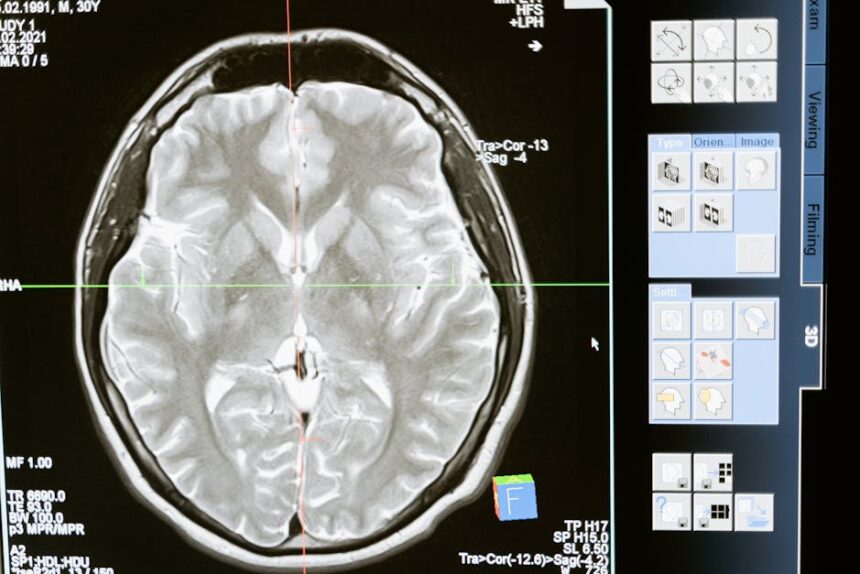
Twenty-four minutes. That’s how much longer people with epilepsy slept on nights following a seizure, according to a new study — and that extra sleep may not be helping them.
The research, published in The Journal of Neuroscience, suggests that sleep could be encoding seizures into the brain by repurposing the same mechanisms the brain uses to form memories. In effect, the brain may be “memorizing” seizures during sleep, potentially making them harder to stop.
The study was small — 11 participants in total — so the findings may not apply broadly to all epilepsy patients, study co-author Vaclav Kremen, a neuroscientist at the Mayo Clinic, told the publication. Still, the work offers a specific and previously underexamined window into why seizures persist in people with drug-resistant epilepsy.
A Design That Followed Patients Home
Most prior research on epilepsy and sleep measured brain activity over just a few days and took place inside clinics — environments that distort the very thing being studied. Hospital stays shift sleep and seizure patterns due to medication adjustments, stress, noise, and disrupted routines, according to Dr. Erin Conrad, a neuroscientist at the University of Pennsylvania who was not involved in the study.
This study worked differently. Electrodes were implanted directly into participants’ brains, and those participants slept at home — over periods spanning months or years. Two groups were drawn from separate research sites: one cohort participated between 2010 and 2011 at the University of Melbourne in Australia, the other between 2019 and 2023 at the Mayo Clinic in Minnesota.
One group received deep brain stimulation devices capable of detecting and reducing seizure activity. The other received an investigational advisory system that records brain signals without attempting to interrupt seizures. The contrast allowed researchers to observe what happens when the brain is left to process a seizure on its own during sleep.

Which Sleep Stage Is Doing the Damage
Not all of those extra 24 minutes were equal. The study found that while total sleep time increased after seizures, not every sleep stage was prolonged. Rapid-eye-movement sleep — REM, the stage most associated with emotional memory consolidation — was among those specifically affected, according to the report.
This pattern points toward the brain’s memory-consolidation machinery as the mechanism involved. Research in rats has previously shown that the brain’s memory-storing system can reinforce the neuronal connections that trigger seizures instead of locking in ordinary memories. The new study extends that line of inquiry to humans, in longer timeframes and in real-world sleep conditions.
“That gives a more realistic picture of how sleep changes after seizures in everyday conditions,” Conrad said.
The study also gestures toward a potential intervention. Electrical stimulation, Kremen says, could theoretically prevent the brain from consolidating a seizure during sleep — and could be personalized to match each patient’s specific seizure profile. “It opens a whole new realm of therapeutic options tailored to each patient,” he said.
Conrad framed the possibility carefully: “If the theory holds up, these kinds of adaptive, closed-loop systems could become a new way to personalize treatment.”
Photo by MART PRODUCTION on Pexels
This article is a curated summary based on third-party sources. Source: Read the original article