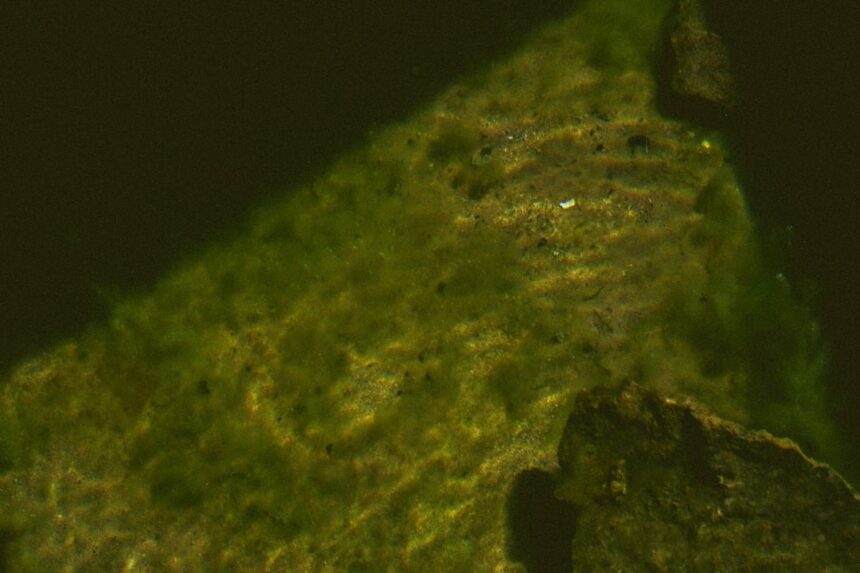
A 58-year-old woman in Greece sneezed out maggots after sheep bot fly larvae became trapped in her nasal passages for weeks — and her case has set a grim biological record.
Surgeons removed 10 larvae at various developmental stages, plus a pupa, from her sinuses. DNA sequencing and visual inspection confirmed the organisms as Oestrus ovis, the sheep bot fly.
The woman worked outdoors on a Greek island near a field with grazing sheep. She recalled a swarm of flies hitting her face on a hot, dry day in September. About a week later she developed facial pain, then a cough. On October 15, she sneezed and reported that “worms” had come out of her nose.
Why This Case Is Different
Sheep bot flies occasionally deposit first-stage larvae in human noses by accident. Experts long believed development beyond that first stage was biologically impossible in humans — the sinuses were considered too hostile an environment.
A handful of cases reported in recent decades showed second- and third-stage larvae. This case, published in the Journal of Emerging Infectious Diseases, goes further: it is the first to document a pupa and puparium recovered from a human nose.
The research team, led by Ilias Kioulos, a medical entomologist at the Agricultural University of Athens, described pupal development in the paranasal sinuses as previously considered “biologically implausible.” According to the report, the sinus environment lacks the temperature and humidity requirements for pupation, and host immune responses create what the authors called “a hostile milieu.”

A Deviated Septum Changed the Outcome
The team identified two factors they believe allowed the larvae to persist and develop. The woman had a severely deviated septum, and she received an unusually large initial dose of larvae.
“The combination of high larval numbers and septum deviation impeded normal egress from the nasal passages, permitting progression to the [third larval stage] and, in 1 instance, pupation,” Kioulos and colleagues wrote. The crooked nasal passage created a physical bottleneck — too many larvae, not enough exit room.
A second possibility the team raised is that the flies may be adapting to complete their full life cycle in human hosts.
In animals, third-stage larvae trapped in sinuses cannot pupate — they either dry out, liquefy, or calcify, each outcome carrying risk of secondary bacterial infection. The woman avoided those complications.
The researchers note that sheep bot flies are distributed across the globe, and they call on clinicians worldwide to consider the possibility of advanced-stage infections when patients present with related symptoms.
Photo by Keith Mapeki on Unsplash
This article is a curated summary based on third-party sources. Source: Read the original article