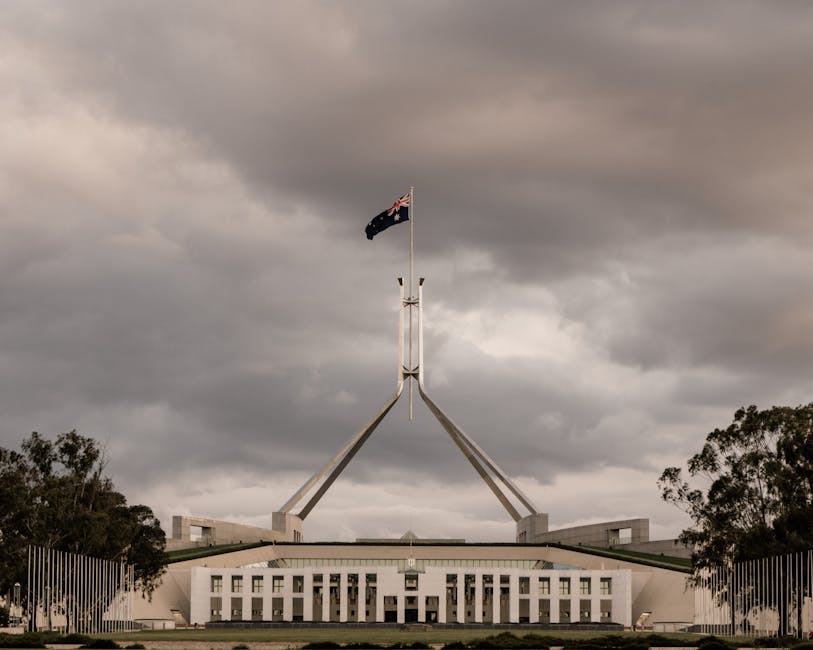
The number that matters isn’t in the price ticker. It’s the count of senators who agreed, in a formal committee setting, that Australia needs a dedicated regulatory framework for crypto assets — and that the country has waited long enough to build one.
A Senate committee has backed the creation of a structured oversight regime for digital assets, according to the announcement, recommending that the government move forward with licensing requirements for crypto exchanges and clearer rules governing how digital asset businesses operate inside the country.
The panel’s support arrives after years of regulatory ambiguity that left Australian crypto firms operating under patchwork financial services law never designed for the asset class. The committee’s position now gives legislative momentum to proposals that had previously stalled at the consultation stage.
What the Committee Is Asking For
The recommendations call for a licensing framework that would bring crypto exchanges under the supervision of existing financial regulators. Platforms operating in Australia would need to meet defined capital and custody requirements — obligations closer to those carried by traditional financial intermediaries than the lighter-touch registration regime currently in place.
The report also addresses consumer protection directly, pushing for clearer disclosure standards and stronger rules around how customer funds are held. Both areas have drawn scrutiny following exchange collapses in other markets that left retail holders without recourse.
The Broader Timing
The Senate panel’s move comes as regulators across multiple jurisdictions have accelerated their own crypto rulemaking. The European Union has already implemented its Markets in Crypto-Assets regulation. The United States has seen renewed legislative activity in both chambers. Australia‘s committee, in backing formal action, is signaling that the country intends to set its own terms rather than simply import another jurisdiction’s model.
More Read

For domestic exchanges and asset managers, the framework would bring compliance costs — but also the kind of legal certainty that has been difficult to operate without. Several firms have flagged regulatory ambiguity as a barrier to product development and institutional partnerships.
The committee’s backing does not guarantee legislation passes. The recommendations now move to the government for a formal response, a process that can extend months before draft law emerges. What the Senate panel has done is signal sufficient political support to keep the proposal on the legislative calendar rather than returning it to another round of industry consultation.
Whether the government accepts the recommendations in full, in part, or with significant modifications will determine how closely the final rules match what the crypto industry — and its critics — have been anticipating.
Disclaimer: The information provided in this article is for educational and informational purposes only and does not constitute financial or investment advice.
Photo by Josh Withers on Pexels
This article is a curated summary based on third-party sources. Source: Read the original article