Major technology companies are set to sign a White House pledge committing them to build their own power plants for data centers, a move President Donald Trump has promoted as a guarantee that AI expansion will not raise electricity bills for American consumers. But experts say that promise is difficult to keep, and possibly impossible.
At a Wednesday White House event, executives from Amazon, Google, Meta, Microsoft, xAI, Oracle, and OpenAI are due to sign the commitment, agreeing to supply their own power rather than draw from the shared grid. Trump referenced the plan in his State of the Union address, telling Americans that “no one’s prices will go up” because of AI energy demand.
The pledge, however, is not binding, according to industry executives. And the supply chain required to fulfill it is already under severe strain.
The gap between promise and reality
Residential electricity costs rose 6 percent nationwide in February compared with a year earlier, according to the US Energy Information Administration. States with heavy concentrations of data centers fared worse: New Jersey saw a 16 percent increase, Pennsylvania 19 percent. Multiple factors drive those increases, including natural gas prices, extreme weather, and decades of underinvestment in grid infrastructure.
“Regardless of how these data centers connect, behind the meter or as part of the network, you’re going to increase demand,” said Ari Peskoe, director at Harvard Law School’s Electricity Law Initiative. Adding independent generation capacity does not eliminate the broader pressure on the energy system.
US data center power demand is projected to more than triple by 2035, climbing from roughly 35 gigawatts in 2024 to 106 GW, according to BloombergNEF. Nearly three-quarters of planned generation equipment for those facilities is natural gas fired, per energy research firm Cleanview, which is tracking 56 GW of projects across the country.

A supply chain that cannot keep pace
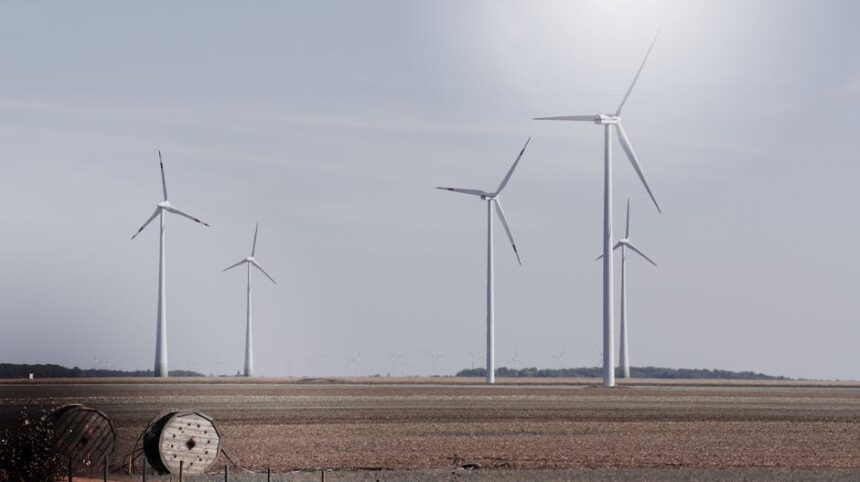
The core problem is turbines. Gas turbines are in short supply, with wait times stretching as long as seven years for new orders. Two-thirds of gas projects in development across the US have not yet named a turbine manufacturer, according to Global Energy Monitor.
GE Vernova has announced a 25 percent production expansion. Mitsubishi Power plans to double output over the next two years. Both moves fall short of what the current buildout pace demands, and manufacturers have remained cautious about committing to larger capacity increases.
Higher turbine prices, driven by tech company competition, will also affect utilities and industrial customers who need the same equipment. Those added costs carry a direct risk of being passed on to ratepayers, regardless of where the turbines ultimately end up.
Stopgap measures and longer-term bets
To bridge the gap, data center operators are turning to reciprocal engines, diesel generators, and deals to reopen shuttered nuclear plants. Google and Microsoft have both pursued nuclear agreements, but those projects are years away from delivering power.
Peskoe was blunt about the near-term alternatives: “We still need more of these turbines.” The stopgap options are not engineered for the continuous, high-load operation that data centers require.
Josh Price, director of energy and utilities at strategy firm Capstone, framed the pledge in political terms, saying Big Tech is “trying to push back against the narrative that they’re the bad guy.” Whether the commitment translates into meaningful insulation for consumers from rising power costs is a separate question entirely.
This article is a curated summary based on third-party sources. Source: Read the original article