Kalshi’s Super Bowl trading volume crossed $1 billion this year — a 2,700% increase from the previous year. That number sits at the center of a new bipartisan effort in Washington to shut down sports wagering on federally regulated prediction markets.
Senators Adam Schiff (D-CA) and John Curtis (R-UT) introduced legislation Monday that would bar platforms like Kalshi and Polymarket from offering contracts tied to sports outcomes or casino-style games. The bill targets companies regulated by the Commodity Futures Trading Commission, which is why it falls under federal jurisdiction rather than the patchwork of state laws that governs FanDuel and DraftKings.
“Sports prediction contracts are sports bets — just with a different name. And yet, these contracts are currently offered in all fifty states in clear violation of state and federal law,” Schiff said in a statement.
The CFTC distinction matters here. Because prediction markets operate under a federal commodities framework, they currently reach users across all fifty states without needing individual state approvals — a structural advantage that state-licensed sportsbooks do not have. Schiff and Curtis argue that the federal label does not change what is actually happening when someone places money on a game’s outcome. Curtis framed the concern more directly: “Too many young people in Utah are getting exposed to addictive sports betting and casino-style gaming contracts that belong under state control, not under federal regulators.”
Those concerns about addiction track with available research. Analysts at the University of California San Diego‘s Qualcomm Institute and School of Medicine examined online search query data and found that searches for gambling addiction help increased by 61% after online sportsbooks became available in a given state, with no indication the trend reversed afterward.
American sports wagering has grown sharply since a 2018 Supreme Court ruling allowed states to legalize it. Total wagers rose from $4.9 billion in 2017 to $121.1 billion in 2023, according to the announcement. Most major professional leagues now carry sponsorship arrangements with gambling companies.

Kalshi pushes back
Kalshi spokesperson Elisabeth Diana rejected the bill’s framing. “It’s clear this bill is motivated by casino interests that are threatened by competition. They’re more worried about protecting their monopolies than protecting consumers,” Diana said. The company also warned the legislation would drive users toward offshore prediction platforms. Polymarket did not respond to a request for comment.
Kalshi is already operating under legal pressure in multiple states. The app is temporarily banned in Nevada and faces criminal charges in Arizona.
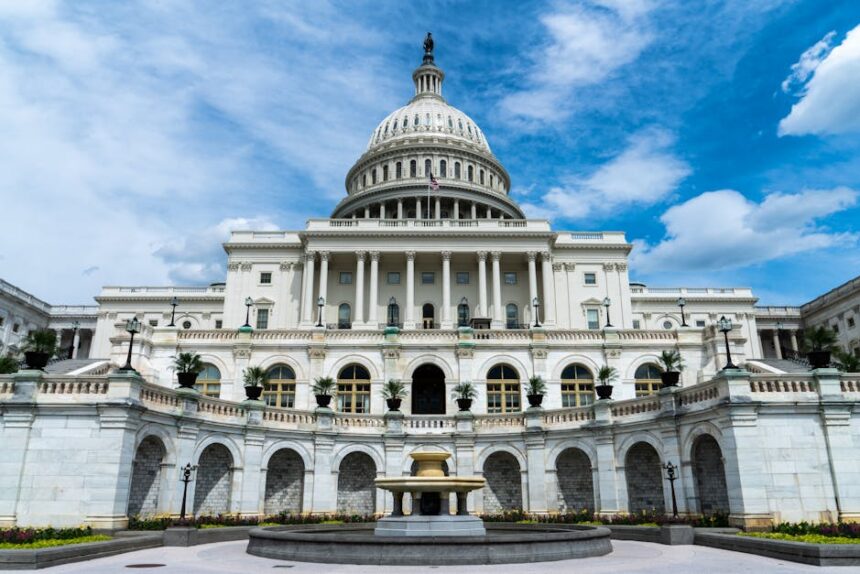
Photo by Michael Judkins on Pexels
This article is a curated summary based on third-party sources. Source: Read the original article