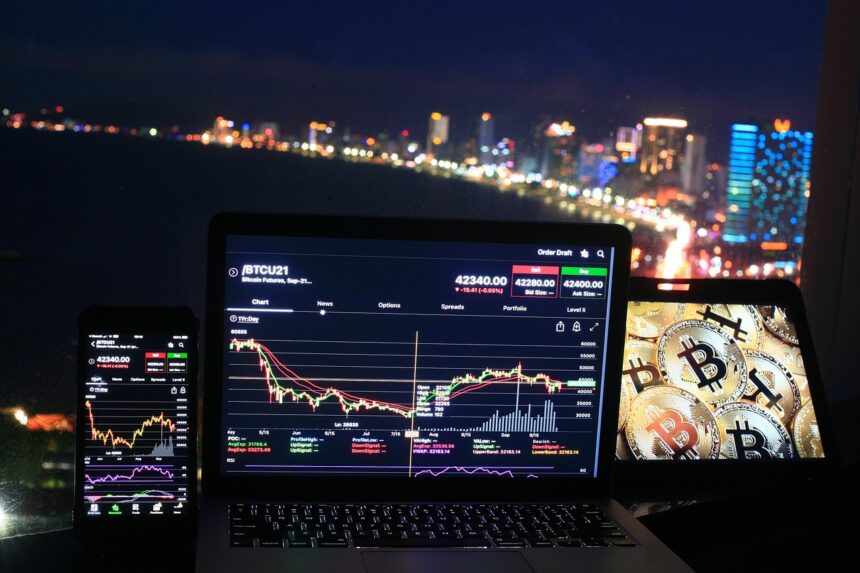
Geopolitical risk has dominated crypto markets this week, with Bitcoin swinging sharply in both directions as Middle East developments dictated sentiment.
Bitcoin reclaimed $71,000 on Monday afternoon after reports emerged that Iran had delayed planned strikes by five days, triggering an immediate reversal of a war-premium selloff. According to the report, President Trump also announced a halt to any plans targeting Iranian power plants, further easing immediate escalation fears. The relief was swift and mechanical: traders who had positioned short into the weekend were forced to cover, and CoinGlass data cited in the report shows more than $160 million in BTC short positions were liquidated within minutes as price blasted through $71,000.
The setup going into the weekend had been bearish. Trump’s ultimatum to reopen the Strait of Hormuz pushed Bitcoin below $67,000, tightly correlating digital assets with broader risk-off sentiment across markets. The five-day pause in strikes removed the immediate catalyst for that discount, and capital rotated back into risk assets aggressively.
At the time of the report, BTC was trading at $71,450, pressing against the psychological $72,000 barrier.
The technical picture, as described in the report, offers several reference points. The recovery from $67,000 confirmed demand at the 50-day exponential moving average, a level that has previously served as a launch point for further moves higher. The RSI on the 4-hour chart reset from oversold conditions and was sitting at a neutral 52 at the time of writing. Bulls require a daily close above $71,500 to confirm the uptrend has resumed. A failure at that level could send price back toward the $67,500 support zone, which the report identifies as the line bulls need to hold to retain control of the immediate trend. A confirmed break higher would open the path toward the $74,000 annual high.
Beneath the price action, the structural signals are mixed but not alarming. Funding rates have started moving higher, indicating that leveraged long positioning is returning. Open interest, however, has not recovered to yearly highs, which the report interprets as evidence that the rally is being led by spot demand and short covering rather than speculative leverage — a combination typically associated with more durable moves.
More Read

The Fear and Greed Index flipped from Fear to Greed within hours of the reversal.
The report notes that traders are watching the $71,200 level closely, with Trump’s continued influence over geopolitical developments functioning as an unpredictable variable. Any development surrounding the expiration of the five-day pause could reintroduce sharp volatility to a market that has now fully repriced the initial panic.
Disclaimer: The information provided in this article is for educational and informational purposes only and does not constitute financial or investment advice.
Photo by Pixabay
This article is a curated summary based on third-party sources. Source: Read the original article