The extraction shooter genre is having a mainstream moment, with competing titles drawing in audiences well beyond their traditional base. Into that environment steps Bungie with its long-dormant Marathon franchise, revived after nearly 30 years as an online-only extraction shooter.
The original Marathon launched in 1994 as a first-person shooter for the Apple Macintosh. The new version drops players into the ruins of a lost colony on Tau Ceti IV, where bio-cybernetic mercenaries scavenge for loot while fighting bots and other players. There is no traditional campaign.
Storytelling Through Loot and Contracts
The absence of a single-player campaign is deliberate, according to Julia Nardin, Creative Director. “The core loop is about scavenging an abandoned colony, so we set out to tell the best possible story about that colony and the people who lived there,” she says. Much of that story is embedded in the loot itself — text files and audio logs that players collect to piece together what happened on Tau Ceti IV.
Faction contracts also carry narrative weight. According to Nardin, missions taken from factions with a stake in the Marathon expedition guide players through different areas of the world “on your way to profit and mutual understanding.” Returning character Durandal is confirmed, alongside new human, AI, and other characters. Nardin also promised “a few unexpected twists and turns that we’re hoping will surprise everyone.”
The game carries a stacked voice cast. Those names, the announcement says, are not simply added value.
Learning From Destiny 2’s Mistakes
Perhaps the most pointed part of Bungie‘s messaging concerns what happens after launch. The studio plans a live narrative model built around seasons — free playable content and paid cosmetics — but with a specific commitment that separates it from how Destiny 2 handled its evolving story.

Destiny 2 faced sustained criticism for vaulting past content, leaving newer players unable to access story material that earlier players had experienced. Bungie says it heard that. Nardin stated directly: “We want Marathon to be an additive experience in the sense that all priority contracts and story content aims to be evergreen, meaning that it doesn’t matter when you join, you’ll still be able to play through the established questlines.” Players will also be able to fill out a Codex with achievements and collections that unlock additional layers of the world.
The studio describes the visual identity as “graphic retro futurism,” developed under Brian Vinton, Senior Art Director. The decaying colony setting gives that aesthetic a tangible anchor — worn surfaces, lost infrastructure, the physical residue of a civilization that did not survive.
How the new Marathon connects to the original trilogy, including the alt-reality elements of Marathon Infinity, has not been explained. The studio appears to be holding that back intentionally.
According to the announcement, Bungie will be adding to the game’s narrative foundation over time within the live service structure.
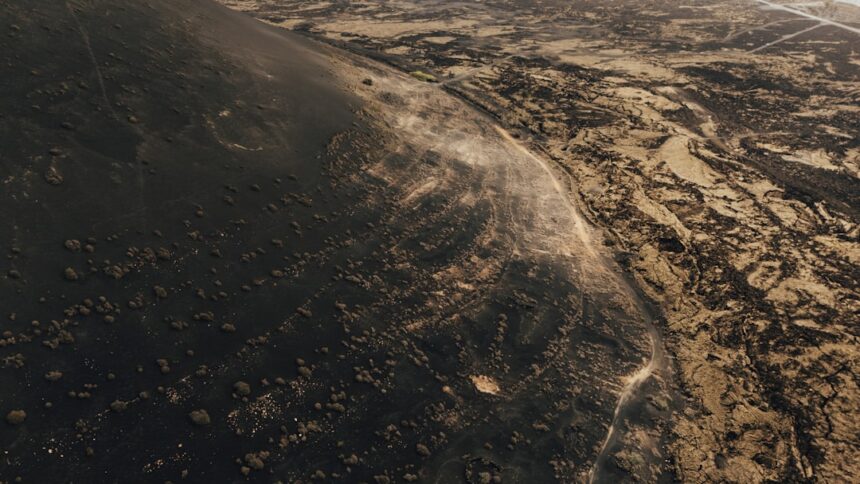
Photo by Edoardo Cuoghi on Unsplash
This article is a curated summary based on third-party sources. Source: Read the original article