Console exclusives appear to be staging a quiet comeback. After years of experimenting with multiplatform releases, both Sony and Microsoft are showing signs of pulling back from a strategy that, by most measures, failed to deliver the player growth they expected.
The clearest signal comes from Sony, which is reportedly scaling back its practice of releasing major PS5 titles on PC. The move mirrors an earlier retreat from live-service games following a string of high-profile disappointments. It marks a significant reversal from the company’s stated direction just a few years ago.
Sony’s Multiplatform Bet That Didn’t Pay Off
In 2022, then-Sony Interactive Entertainment CEO Jim Ryan laid out an expansive vision. “By expanding to PC and mobile, and it must be said… also to live services, we have the opportunity to move from a situation of being present in a very narrow segment of the overall gaming software market, to being present pretty much everywhere,” Ryan said at the time.
The logic was straightforward: put games like God of War and The Last of Us on PC, attract new players, and convert them into PS5 buyers. It didn’t work. PC ports performed below expectations, and people inside Sony reportedly grew concerned that the approach was diluting the PlayStation brand rather than strengthening it.
Microsoft’s Position Is Murkier
Microsoft pushed the multiplatform idea further than Sony ever did. Starting with a handful of titles in 2024, the company began releasing games across PlayStation and Nintendo Switch, with formerly Xbox-exclusive franchises like Forza reaching PlayStation sales charts. A recent Nintendo Direct featured a notable slate of titles from Microsoft-owned Bethesda.
In 2023, Microsoft CEO Satya Nadella went so far as to say, “If it was up to me I would love to get rid of the entire exclusives on consoles,” pointing to Sony as the force keeping the practice alive.

Yet the rhetoric from Microsoft’s new gaming leadership tells a different story. Incoming Microsoft Gaming CEO Asha Sharma, as part of a wider leadership reorganization, stated her intention to focus on “our core Xbox fans and players” and pledged “a renewed commitment to Xbox starting with console which has shaped who we are.” When a fan on X raised the importance of exclusive games, Sharma’s response was brief: “Hear you.”
Nintendo’s Mobile Lesson
The pattern isn’t limited to Sony and Microsoft. Nintendo tried its own version of audience expansion through mobile. Super Mario Run launched with the explicit goal of introducing Nintendo’s characters to new players. Shigeru Miyamoto expressed confidence at the time that the game would replicate Mario’s historic role of bringing people into gaming.
It underperformed. Nintendo has since steadily retreated from mobile and returned its focus to exclusive titles for its own hardware.
The thread connecting all three companies is the same: releasing games beyond their native platforms did not translate into new console buyers at the scale anticipated. The audiences reached through PC, mobile, or rival consoles largely stayed where they were.
- Sony is pulling back from PC releases of major PS5 titles
- Microsoft’s new gaming CEO is emphasizing a return to core Xbox identity
- Nintendo’s mobile experiment with Super Mario Run failed to meet expectations
- Exclusives appear to be regaining favor as the primary hardware sales driver
What remains unclear is how far Microsoft will actually walk back its multiplatform commitments, given how publicly and aggressively it pursued that direction. Sony’s reversal is concrete. Microsoft’s is, for now, largely a matter of tone.
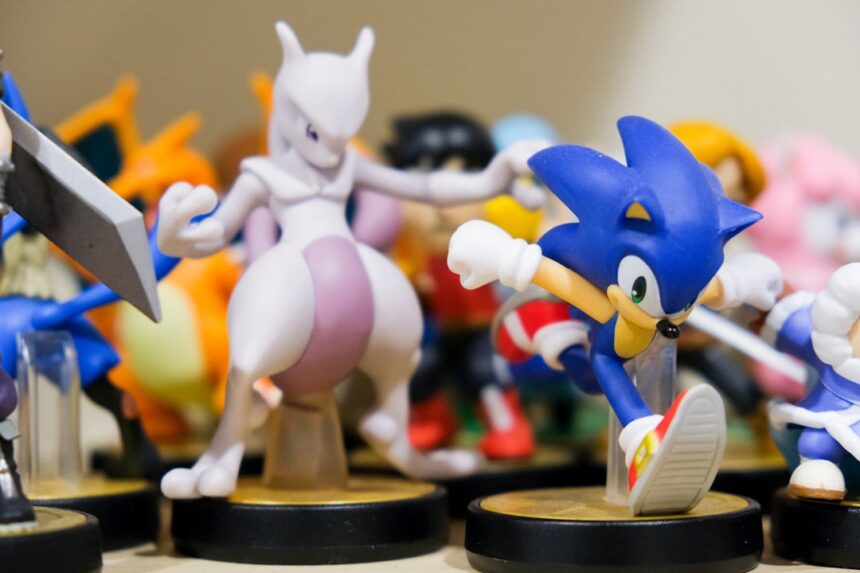
Photo by Ryan Quintal on Unsplash
This article is a curated summary based on third-party sources. Source: Read the original article