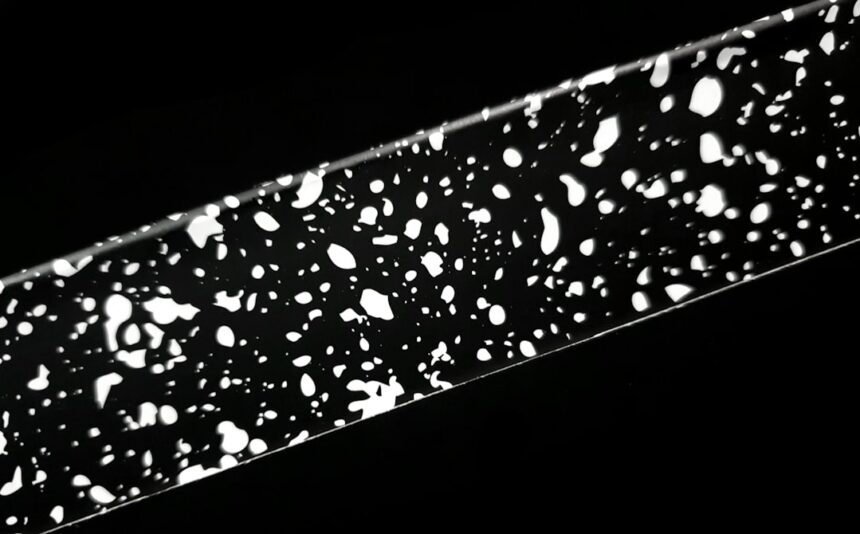
The fusion crust is the tell. That thin, scorched outer layer — melted and re-solidified from atmospheric friction — is what separates a genuine meteorite from an interesting-looking rock. And under a stereo microscope, it reveals something most people have never seen.
Home observation of meteorite samples is more accessible than it sounds. According to the guide, all it requires is the right equipment, a genuine thin-slice specimen, and an understanding of what features to look for. The process starts well before anyone peers through a lens.
Choosing the Right Tool
For large specimens examined on location, a dome loupe or hand lens offers a portable, power-free solution — but tops out at 5x to 10x magnification. A 40x optical grade dome magnifier pushes that further while remaining inexpensive, though the guide notes that is roughly the limit before a microscope becomes necessary.
For serious home study, a stereo microscope is the recommended starting point. The guide specifically used the Celestron Labs S10-60, which carries interchangeable stage plates in black, white, and translucent — each producing different contrast and color readings from the same specimen. The trade-off is low magnification, which widens the field of view but limits fine detail.
When more detail was needed, the guide switched to the Swift SW380T, a compound microscope adapted for solid specimens using an inexpensive external spotlight as a top light. That workaround matters: meteorites are opaque, so no light transmits through them. Illumination must come from above.
Reading What the Rock Shows
Authenticity checking happens before any observation begins. The fusion crust should look abraded and irregular — softer in appearance than the cleaner cut of the inner surface. That textural difference is the result of real atmospheric entry. The guide also recommends a basic magnet test, since meteorites are magnetic.

Once confirmed genuine, the fusion crust itself becomes the primary observation site. Texture, color variation, and surface patterns are all visible there at appropriate magnification. The stage plate color affects what the eye picks up: different backgrounds pull out different aspects of the specimen’s surface.
Thin-slice samples are required for compound microscope work, since the specimen must fit on the microscope stage. The guide advises matching sample size to the microscope before purchasing either.
For anyone working with laboratory access, a microtome can produce extremely thin sections for slide mounting — but the guide frames this as the high-end option, not the standard one. Most of what makes meteorites visually compelling, it says, is reachable through equipment already available to home enthusiasts.
Research before observation is the final preparation step the guide recommends — knowing what type of meteorite is in hand shapes what features are worth looking for and what the specimen should, or should not, reveal under magnification.
Photo by Chirayu Trivedi on Unsplash
This article is a curated summary based on third-party sources. Source: Read the original article