Live-action adaptations of beloved anime have a mixed track record, and Tomorrow Studios‘ own history with the format is split precisely down the middle.
A live-action adaptation of Samurai Champloo is now in development at Tomorrow Studios, with original series creator Shinichirō Watanabe attached to the project, according to the announcement. The production company — the same outfit behind Netflix‘s canceled Cowboy Bebop adaptation and its well-received One Piece series — is in the earliest stages of development, and the project has no distributor attached.
The distinction from the 2021 Cowboy Bebop series is deliberate. That adaptation, which was canceled after one season, moved forward without meaningful creative involvement from Watanabe. Tomorrow Studios co-heads Marty Adelstein and Becky Clements have framed his participation this time as a corrective. Clements acknowledged Watanabe was less involved on the earlier project. “We’ve learned,” said Adelstein. “Having the creator there to bless the creative is really important.”
What the Cowboy Bebop failure established
The 2021 Cowboy Bebop series served as a case study in what happens when a production adapts the surface of a property without its authorial voice. The original anime, directed by Watanabe and released in 1998, is widely regarded as a formal achievement — its fusion of jazz, noir, and science fiction is inseparable from his specific directorial sensibility. The live-action version lacked that continuity of vision, and audiences and critics noticed.
Samurai Champloo, which Watanabe directed and aired from 2004 to 2005, presents a structurally similar challenge. The series blended Edo-period Japan with hip-hop aesthetics — in its music, its fight choreography, and its visual language. Translating that hybridity into live-action, with the creator’s involvement now explicitly part of the structure, is the bet Tomorrow Studios is making.
The One Piece precedent
The production company’s other major anime adaptation offers a more favorable reference point. Its live-action One Piece series for Netflix drew positive reception — a result the announcement implicitly positions as a model. The difference in that case was also creator involvement: Eiichiro Oda‘s participation in the One Piece adaptation was well-documented and credited as a factor in its reception.

With no distributor confirmed and the project at its earliest development stage, the path from announcement to screen remains long. What the attachment of Watanabe signals at this point is primarily structural — a production philosophy that treats creator input as a condition of development rather than an afterthought.
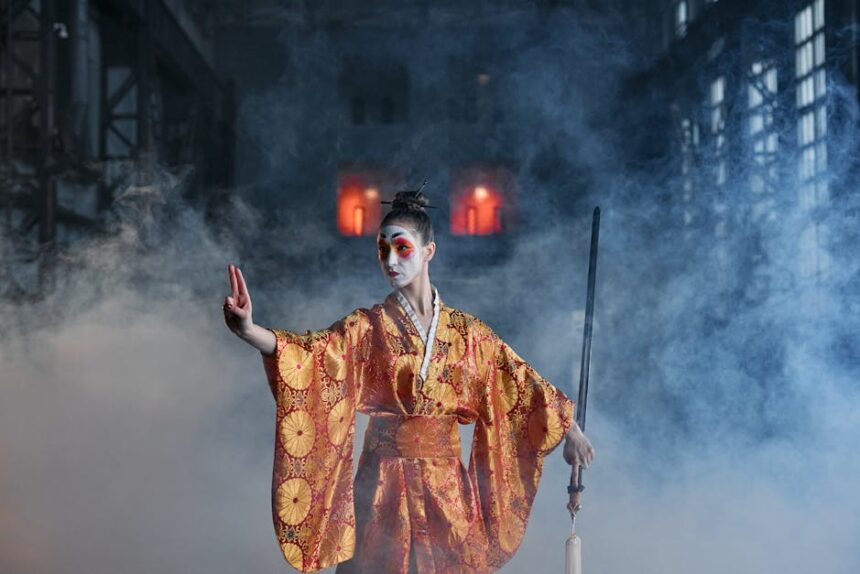
Photo by cottonbro studio on Pexels
This article is a curated summary based on third-party sources. Source: Read the original article