Siril, a free, open-source astronomical image-processing tool, offers serious astrophotography capabilities at no cost — but demands patience, documentation-reading, and a tolerance for complexity that casual users may not have.
The software runs on Linux, Windows 10 (64-bit), and macOS 10.13 or later, and is distributed under the GNU General Public License v3.0. Users can download, modify, and use it freely, provided they credit the software according to the guidelines on the Siril homepage.
The review, which tested version 1.2.6, found the software best suited to deep-sky enthusiasts who have outgrown standard tools like Adobe Lightroom and Photoshop. Those platforms handle conventional editing well, according to the review, but lack the calibration, alignment, and image-stacking features that astrophotography specifically requires.
What It Does Well
Noise reduction and image stacking are identified as standout strengths. The software also supports automation through scripting, which the review says can produce results described as “spectacular” — though reaching that point requires working through the learning curve first.
Community-driven development keeps the software current, with frequent updates contributed by an active base of developers and users. That same open model is also its trade-off: there is no polished onboarding experience, no guided tooltips, and no subscription-funded support team.
Minimum hardware requirements are modest. A dual-core Intel or AMD processor, 4GB of RAM, and integrated graphics are sufficient — Siril does not rely on heavy GPU processing. An SSD is recommended, with at least 2GB of free storage, plus additional space for image files. A display resolution of at least 1280 x 768 is required.
Interface and Learning Curve
The interface is organized into tabs that walk users through sequential processing steps, from calibration through to final enhancement. The review notes it is “quite well laid out when you know what you’re looking for” — a qualifier that carries weight.
First-time users will likely find the initial view disorienting. The review acknowledges consulting the documentation multiple times during testing and recommends new users visit the tutorial section before attempting anything else.
The scripting approach comes with specific requirements that add friction for those expecting a click-and-drag experience. There is no attempt to disguise the technical nature of the tool.
For budget-conscious astrophotographers willing to invest time rather than money, the software presents a credible alternative to paid platforms. For those expecting an approachable interface, it will disappoint. The review’s assessment is direct: Siril is not for the fainthearted, but for deep-sky imaging, few free tools match what it offers.
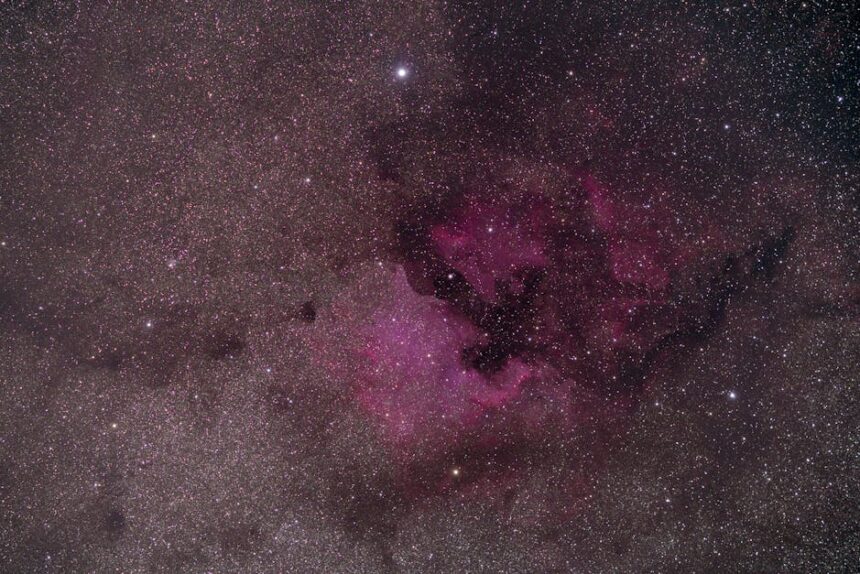
Photo by Daniel Mišúr on Pexels
This article is a curated summary based on third-party sources. Source: Read the original article