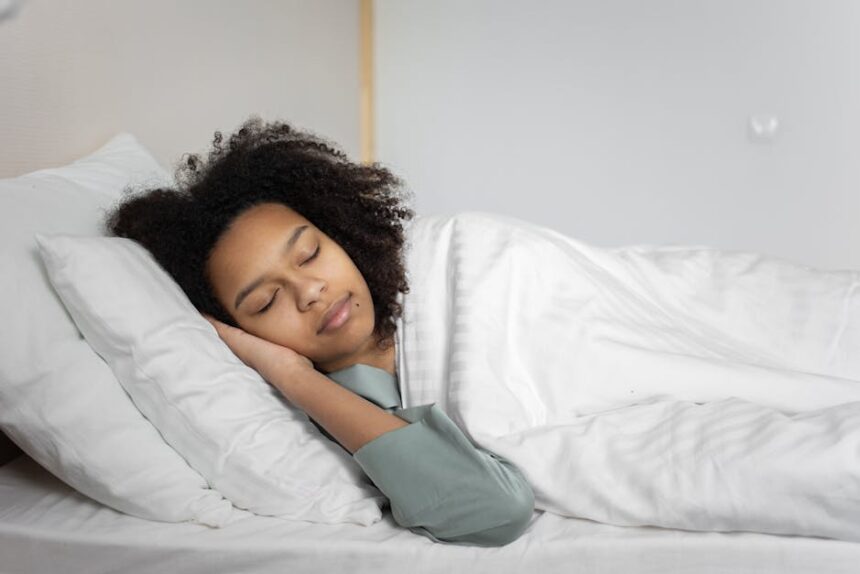
Menopause already carries an established list of disruptions — broken sleep, night sweats, shifting energy levels. That overlap is precisely why a distinct and potentially serious condition is being missed in millions of women.
Obstructive sleep apnea (OSA) occurs when the upper airway narrows or collapses repeatedly during sleep, causing oxygen levels to dip and the brain to briefly rouse the body. For decades, the condition was framed around a familiar profile: older, heavier men. That framing has had direct consequences for who gets diagnosed.
A Much Larger — and More Female — Problem
A projection published in The Lancet Respiratory Medicine puts the scale of the gap into focus. By 2050, researchers estimate nearly 77 million US adults aged 30 to 69 will have OSA. Among women, prevalence is projected to rise by 65 percent in relative terms, reaching around 30.4 million — compared with a 19 percent relative increase among men. The announcement says the increase reflects both aging populations and rising obesity, but also the prospect of better detection.
Carlos Nunez, chief medical officer at ResMed, which supported the analysis, points to the scale of current invisibility. “It is a condition that often lives in anonymity. Most people don’t realize they have it, because you’re asleep when it happens,” he says. Globally, according to the report, over a billion people have sleep apnea, and in some countries as many as 90 percent remain undiagnosed and untreated.
Menopause sits at the center of the detection failure. One analysis of a US health survey found postmenopausal women were around 57 percent more likely to report sleep apnea symptoms than premenopausal women, even after adjusting for body weight.
Marie-Pierre St-Onge, director of the Center of Excellence for Sleep & Circadian Research at Columbia University, explains that estrogen and progesterone appear to have protective effects on breathing regulation and upper-airway muscle activity. After menopause, fat distribution shifts toward the neck and upper body, increasing pressure on the airway. That protection, she says, wanes alongside declining hormone levels.

Rashmi Nisha Aurora, professor of medicine and director of Women’s Sleep Medicine Initiatives at NYU Grossman School of Medicine, describes estrogen as a major antioxidant defense. When it declines, protection against oxidative stress weakens — at the same moment OSA itself subjects the body to repeated oxygen drops and inflammatory strain. She calls the combined effect a physiological “double whammy” on the heart and metabolic system. The firm also notes that pregnancy represents another window of heightened vulnerability, due to temporary hormonal fluctuations.
Symptoms That Don’t Match the Checklist
The diagnostic tools physicians rely on — loud snoring, witnessed breathing pauses, excessive daytime sleepiness — were largely developed and validated in male or mixed cohorts. Women’s symptoms frequently look different: insomnia, mood changes, persistent fatigue, headaches, and nocturia. These complaints do not map cleanly onto standard screening criteria.
Widely used instruments like the Epworth Sleepiness Scale, the report notes, were not validated in women across age groups. The symptom most likely to trigger a referral for CPAP therapy — excessive daytime sleepiness — may be described or experienced differently by women, or absent entirely.
“That’s where it’s really overlooked,” Aurora says. “Part of the issue has been case identification and screening.”
The direct next step implied by both the data and the clinicians cited is improved screening tools and case identification methods specifically designed and validated for women, particularly those in perimenopause and menopause.
Photo by KATRIN BOLOVTSOVA on Pexels
This article is a curated summary based on third-party sources. Source: Read the original article