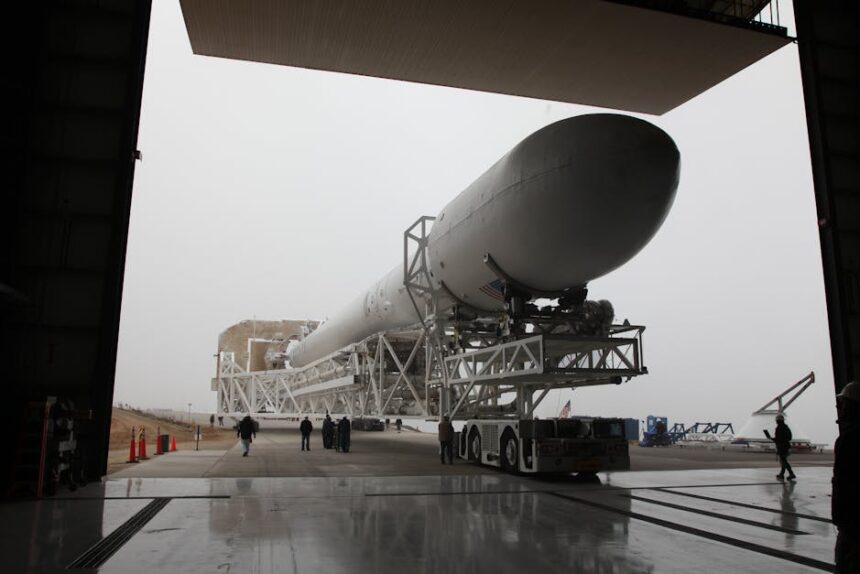
Space One is set to launch its Kairos rocket for the third time on March 4, with liftoff from Spaceport Kii in Wakayama Prefecture, Japan, scheduled during a 10-minute window opening at 9:10 p.m. EST (0210 GMT). The Tokyo-based startup has yet to reach orbit, having lost both previous missions to in-flight failures.
The company’s track record with Kairos is brief and difficult. The rocket’s debut in March 2024 ended five seconds after liftoff when the flight termination system detected lower-than-expected velocity and thrust. The second attempt, in December 2024, lasted roughly three minutes before Space One again triggered the termination system after detecting performance anomalies at an altitude of approximately 62 miles (100 kilometers). Five satellites were destroyed in that failure.
What’s on the Line
Five small satellites are aboard this third mission as well. If the flight proceeds as planned, the spacecraft will deploy approximately 50 minutes after launch at an altitude of 310 miles (500 kilometers), according to Japanese broadcaster NHK. A scrubbed attempt the previous day, March 3, forced the delay after unstable positioning-satellite signals made the launch untenable.
The Kairos rocket stands 59 feet (18 meters) tall and uses three solid-fuel stages topped by a liquid-propellant upper stage. It can carry up to 330 pounds (150 kilograms) of payload to sun-synchronous orbit. The design targets the growing market for small-satellite launches, a segment that has attracted significant commercial competition globally.
Ambitious Targets Despite Early Setbacks
Space One, founded in 2018, is positioning itself as a dedicated small-launch provider in Japan. The company’s stated goals are substantial: 20 missions per year by the end of this decade and 30 per year through the 2030s. Reaching those numbers requires, first, a rocket that can reliably reach orbit.
Two failures in two tries keeps Space One firmly in the development phase, even as competitors in the small-launch sector continue to build operational cadences. Japan’s broader commercial space ambitions give the company some national tailwind, but the business case depends entirely on demonstrating consistent performance.

A Narrow but Critical Window
The stakes for this launch extend beyond the five payloads on board. Another anomaly would raise serious questions about the Kairos design and Space One‘s timeline for reaching commercial viability. A successful orbital insertion, by contrast, would validate the platform and give the company something concrete to sell to future customers.
Live coverage of the launch is available through Space One‘s official channels, beginning one hour before the opening of the launch window.
This article is a curated summary based on third-party sources. Source: Read the original article